
the latest from David and Goliath HVAC
the latest news from David and Goliath HVAC
Welcome to our News & Insights page at David and Goliath Heating and Cooling! Here, we share the latest updates, tips, and trends in the heating and cooling industry. Our blog is a treasure trove of information designed to help you make the most of your HVAC systems.
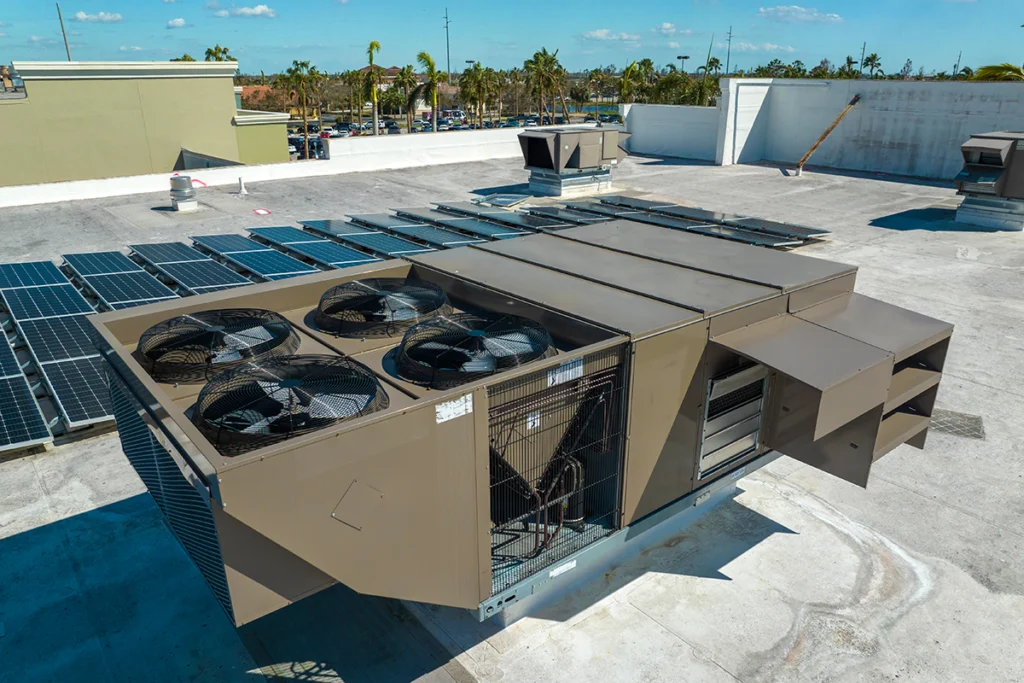
AC Condenser Fan Motor Shaft Wobble from Worn Bearings Vibrating Housing in Alexis, NC
AC condenser fan motor shaft wobble from worn bearings vibrating housing in Alexis, NC happens when the motor’s internal bearings wear down and lose their smooth surface. The shaft moves side-to-side instead of spinning true, sending vibration through the housing. Bearings rarely fail on their own. Something upstream usually causes the wear in the first place. Electrical imbalance, airflow restriction, refrigerant pressure issues, or even improper installation can all be culprits. At David and Goliath HVAC, we see homeowners ready
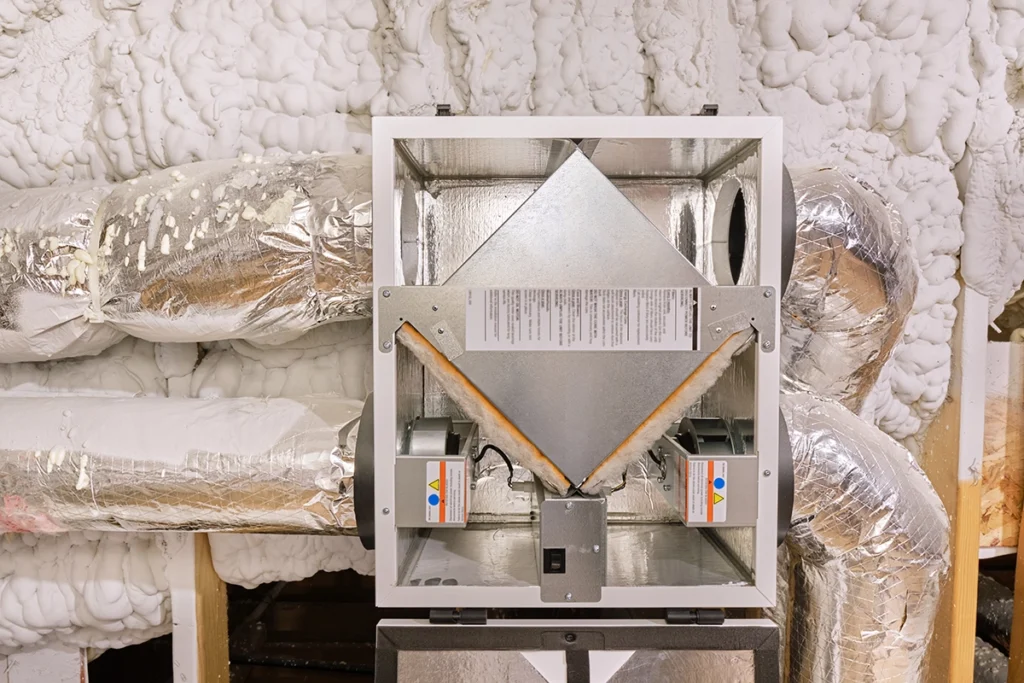
AC Indoor Blower Motor Winding Insulation Breakdown Causing Short Circuit in High Shoals, NC
An AC indoor blower motor winding insulation breakdown causing short circuit in High Shoals, NC usually happens because something upstream forced the motor to work too hard or run too hot for too long. Eventually the wire insulation inside the windings degrades. The copper coils touch and short out. Most homeowners search for “blower motor” and assume replacing that part will solve the problem. But the motor failure itself is almost always a symptom, not the root cause. If you
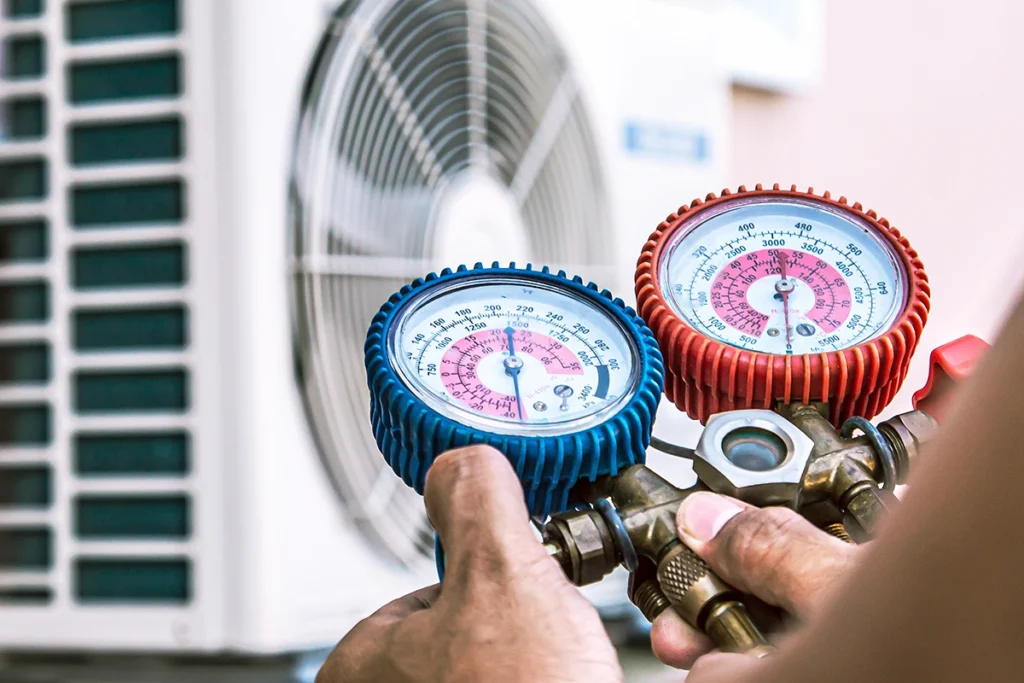
AC System Pressure Switch Tripping Cutting Off Compressor in Mount Holly, NC
Why is your AC system pressure switch tripping and cutting off the compressor in Mount Holly, NC? In most cases, the pressure switch trips because refrigerant pressure has climbed too high or dropped too low. This usually stems from restricted airflow, a refrigerant leak, a failing compressor, or a clogged condenser coil. If the switch keeps tripping, the problem lies deeper in the system. Replacing the switch alone won’t stop it from happening again. A licensed HVAC technician needs to
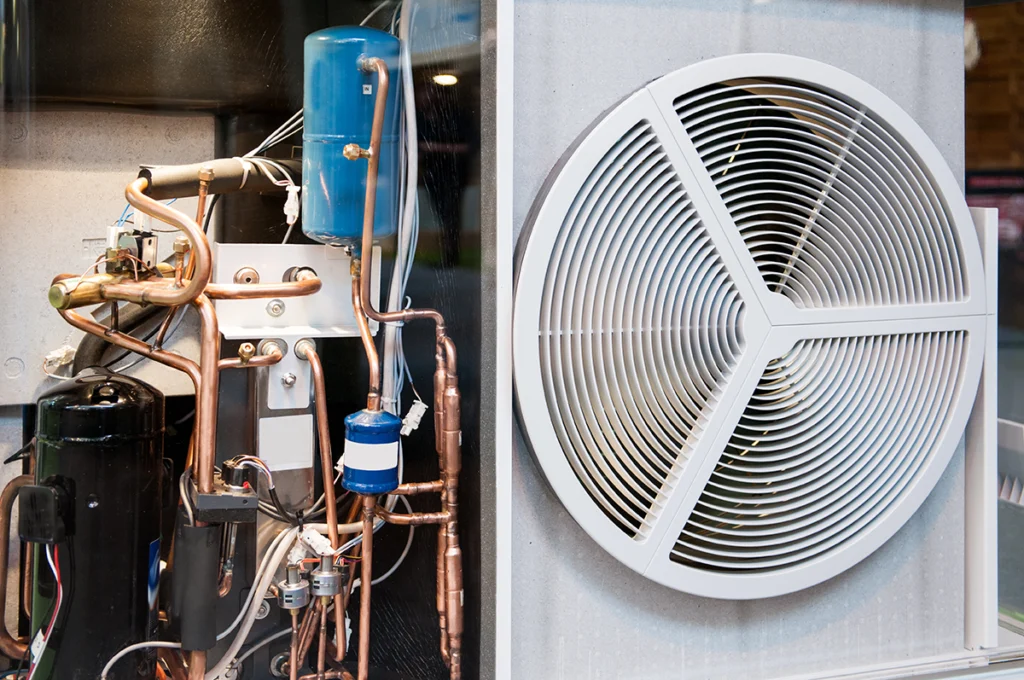
AC Compressor Liquid Line Sweating with Condensation Pooling Water in Crowders Mountain, NC
AC compressor liquid line sweating with condensation pooling water usually means the liquid line is running far colder than normal. That heavy condensation and pooling point to a refrigerant flow problem or an airflow restriction inside your system. The evaporator coil may be starved, frozen, or receiving too little air. A little condensation on refrigerant lines is normal in humid air. Pooling water signals an imbalance that can damage your compressor, flood your drain pan, or leave you without cooling.
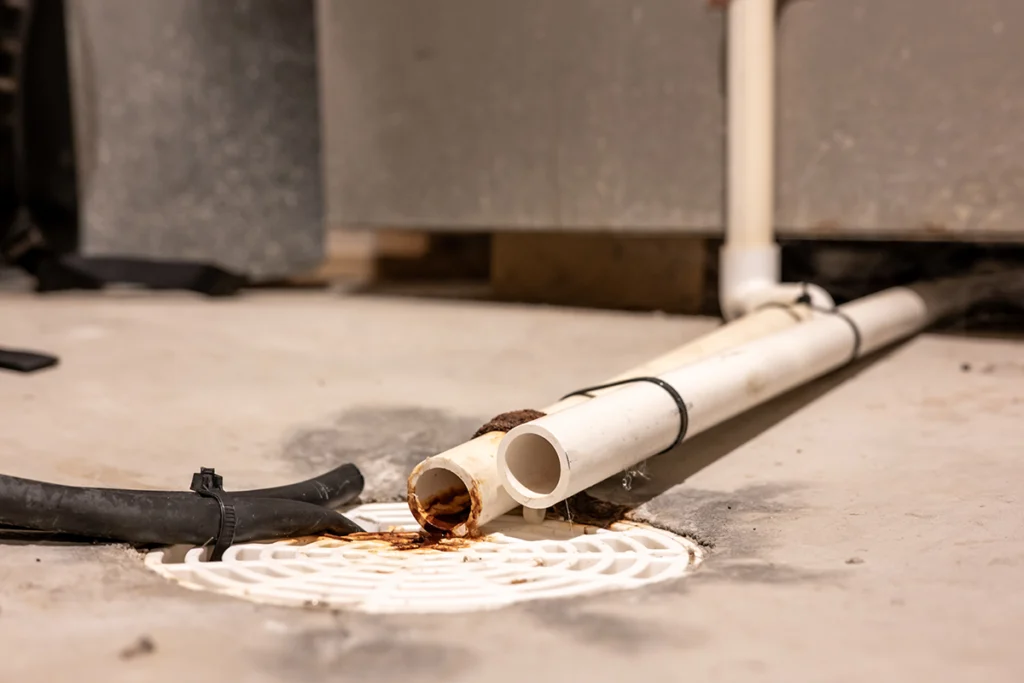
AC Outdoor Compressor Suction Line Sweating and Dripping Water in Iron Station, NC
When your AC outdoor compressor suction line sweating and dripping water in Iron Station, NC leaves puddles on the ground or frost on the copper pipe, you’re probably wondering whether to ignore it or call for service right away. A small amount of condensation on the larger, insulated suction line can be normal on humid days. However, heavy sweating or dripping usually signals an airflow problem, a refrigerant issue, or failing insulation. That forces your compressor to work harder and
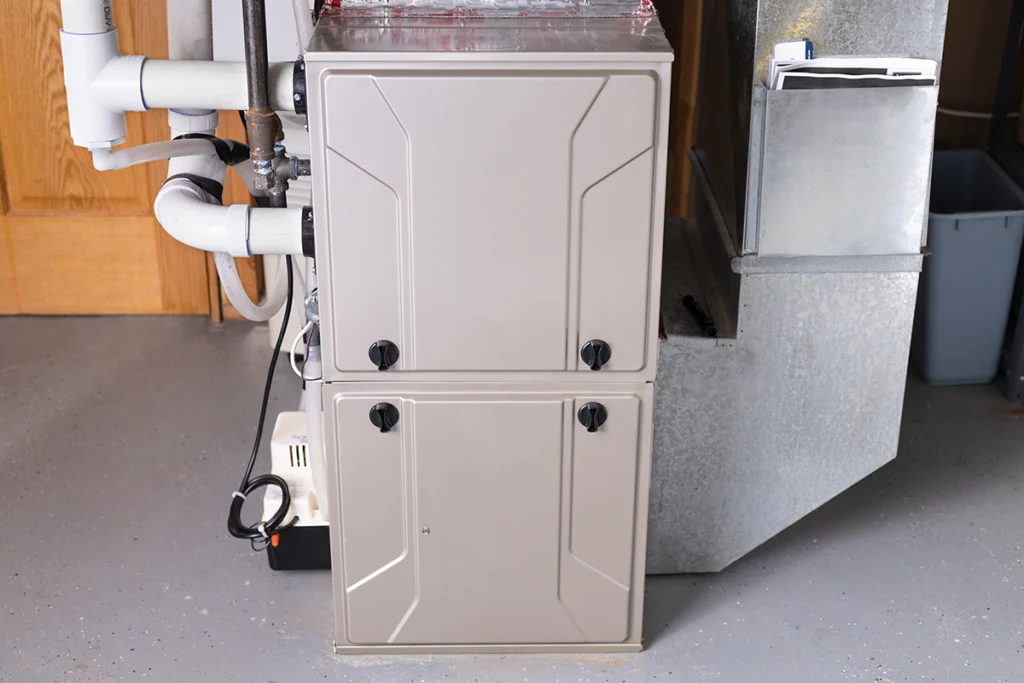
Furnace Draft Inducer Motor Humming But Not Spinning in High Shoals, NC
When you hear your furnace draft inducer motor humming but not spinning in High Shoals, NC, the most common cause is a seized bearing inside the motor. This often results from dust buildup, overheating, or a power surge that damaged the motor windings. A humming motor can also point to electrical supply problems or a failing capacitor. It may indicate a clogged vent system that forced the motor to work too hard. Diagnosing the root cause before replacing parts is
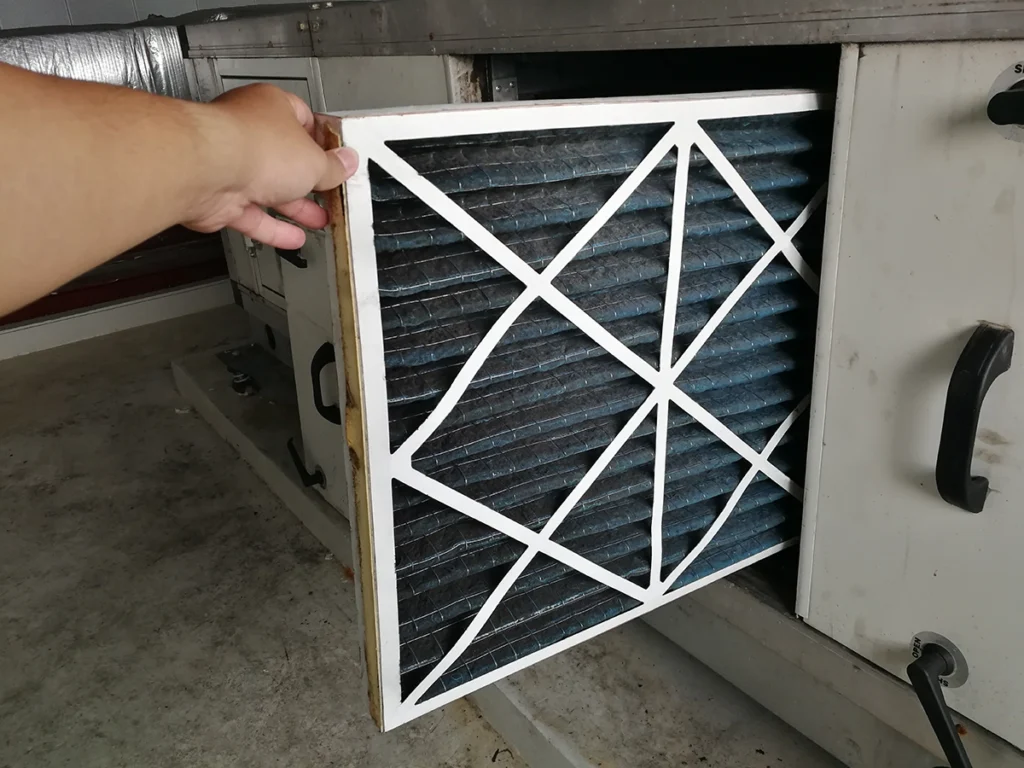
How Often to Change Your HVAC Filter: A Complete Guide
Most HVAC filters should be changed every 30 to 90 days, depending on your home and usage. Homes with pets or allergy sufferers need replacements closer to 30 days, while thicker media filters can last three to six months. Your filter plays a bigger role than you might think. It protects your equipment, keeps your air cleaner, and helps your system run efficiently. But there’s no one-size-fits-all answer. Factors like your home, your equipment, and even whether you have pets
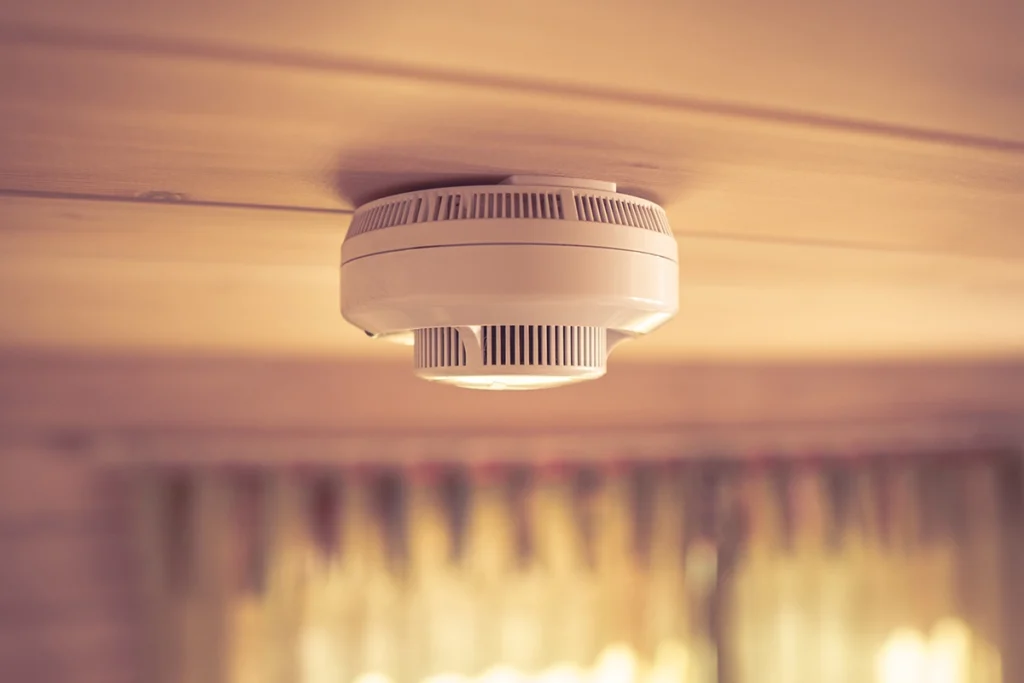
Furnace Heat Exchanger Cracked Leaking Carbon Monoxide in Cherryville, NC
When you discover a furnace heat exchanger cracked leaking carbon monoxide in Cherryville, NC, you’re looking at a symptom rather than the original problem. The crack itself almost never happens because the part was defective from the factory. Instead, it’s the visible result of prolonged stress that has worn down the metal over months or years. The most common underlying issue we diagnose in local homes is chronic overheating caused by severely restricted airflow. This restriction typically stems from a
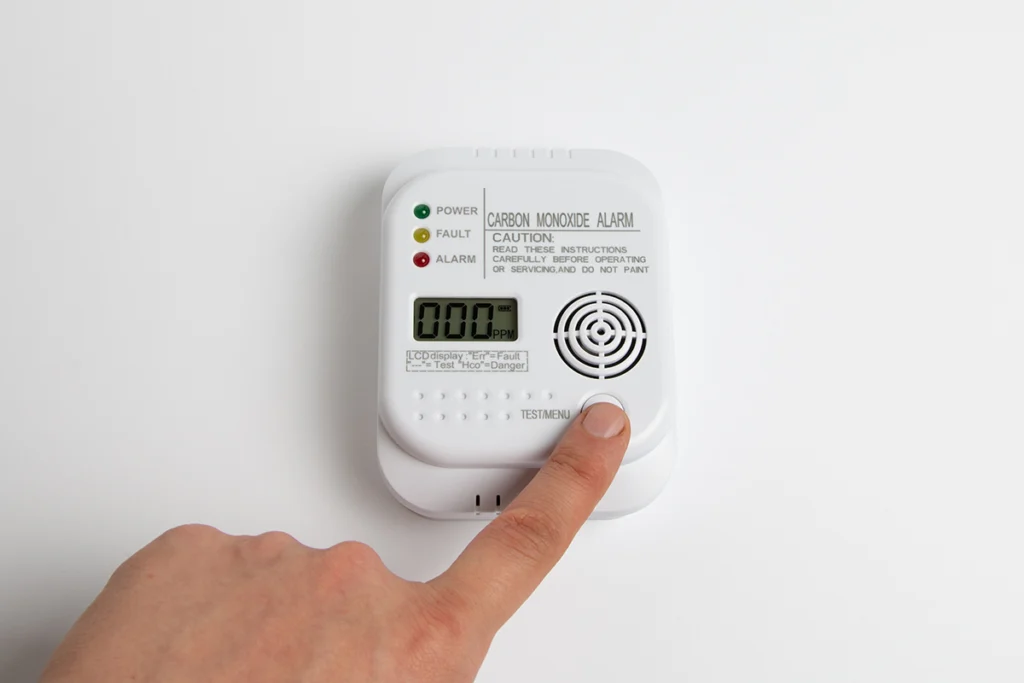
Furnace Heat Exchanger Cracked Causing Carbon Monoxide Risk Iron Station NC
A furnace heat exchanger cracked causing carbon monoxide risk in Iron Station, NC is one of the most dangerous failures we respond to. A cracked furnace heat exchanger allows toxic combustion gases, including carbon monoxide, to leak into your home’s air supply. This happens when the metal barrier separating combustion gases from your breathing air develops cracks or holes. Over the years, our team has responded to dozens of homes with similar issues. A homeowner smelled something off, noticed soot
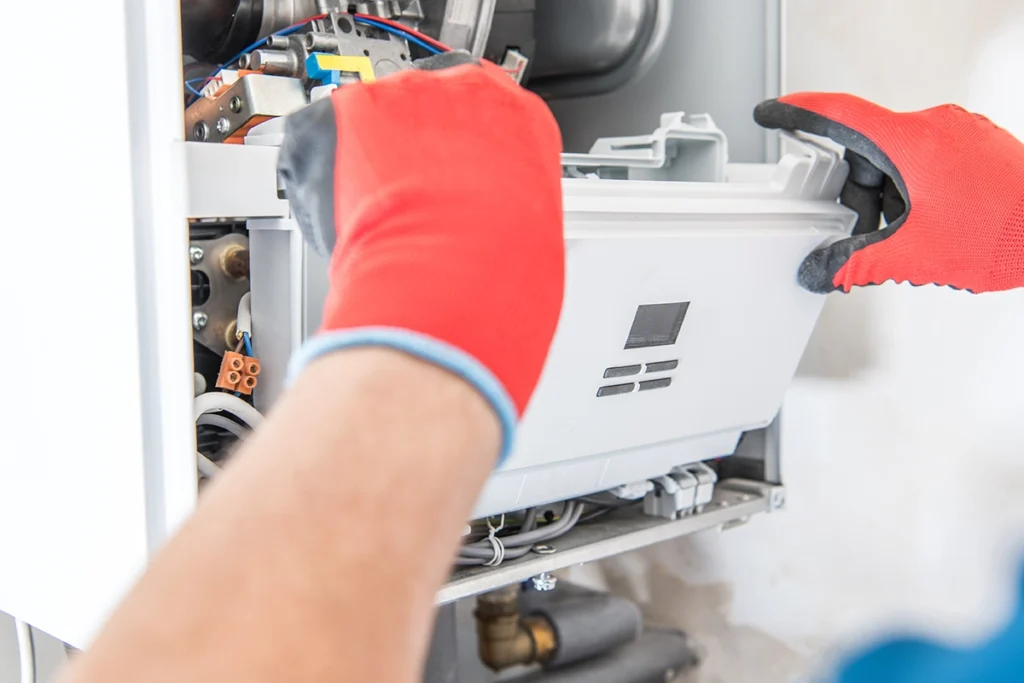
Furnace Igniter Not Lighting Causing No Heat in Iron Station, NC
A furnace igniter stops lighting because of electrical supply problems, restricted airflow, a dirty flame sensor, gas pressure issues, or blocked venting, though the failed igniter is usually a symptom of deeper issues in your Iron Station, NC heating system. Cold mornings around here make a working furnace essential. It’s tempting to replace just the igniter to restore warmth quickly. Yet when only the part is swapped without diagnosing what caused it to fail, homeowners often find themselves back in
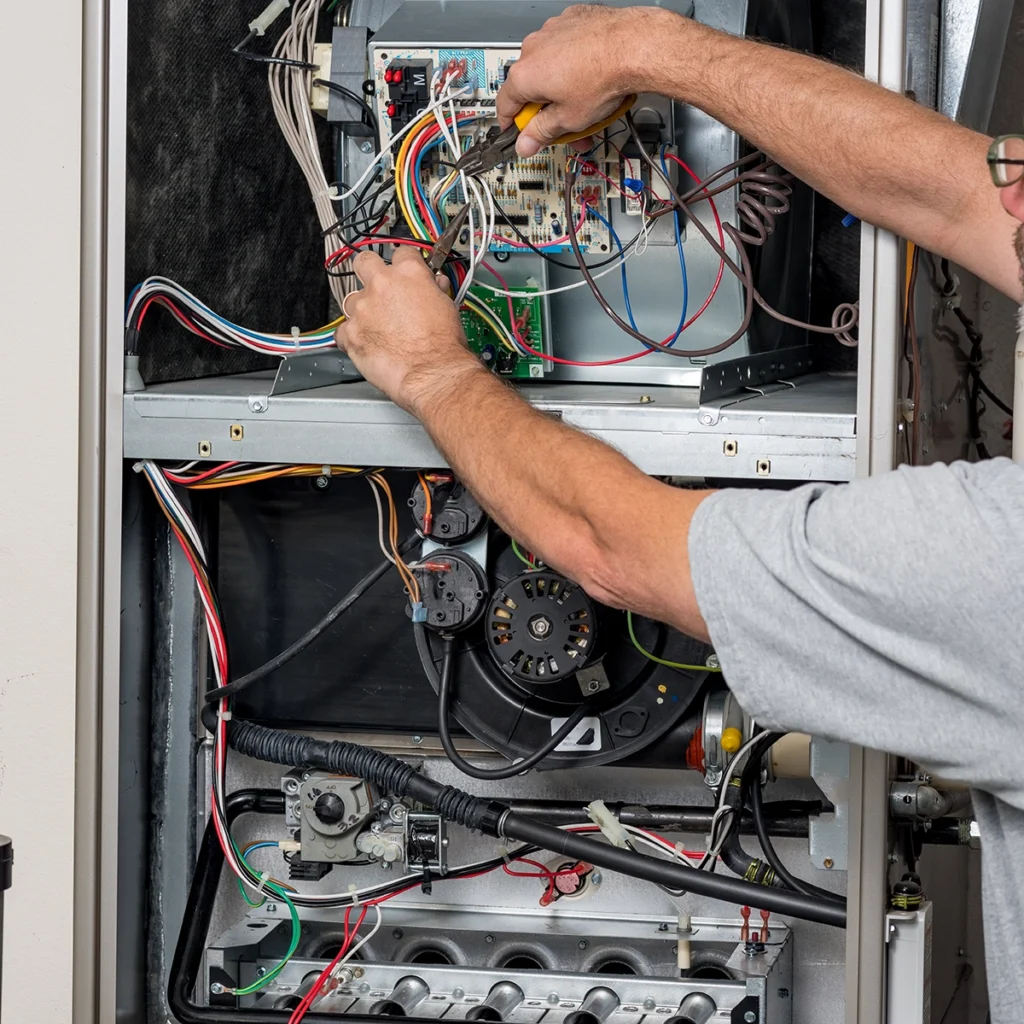
Furnace Blower Motor Making Squealing Noise in Stanley, NC
If your furnace blower motor is making a squealing noise in Stanley, NC, you’re hearing a warning sign. Something inside the system is under stress. The cause is usually a worn bearing, a loose belt, or a motor working too hard. Airflow restrictions or electrical problems can force the motor to overwork. That high-pitched squeal isn’t just annoying. It means a component is overheating, rubbing, or slipping. The longer it runs that way, the closer it gets to failing completely.
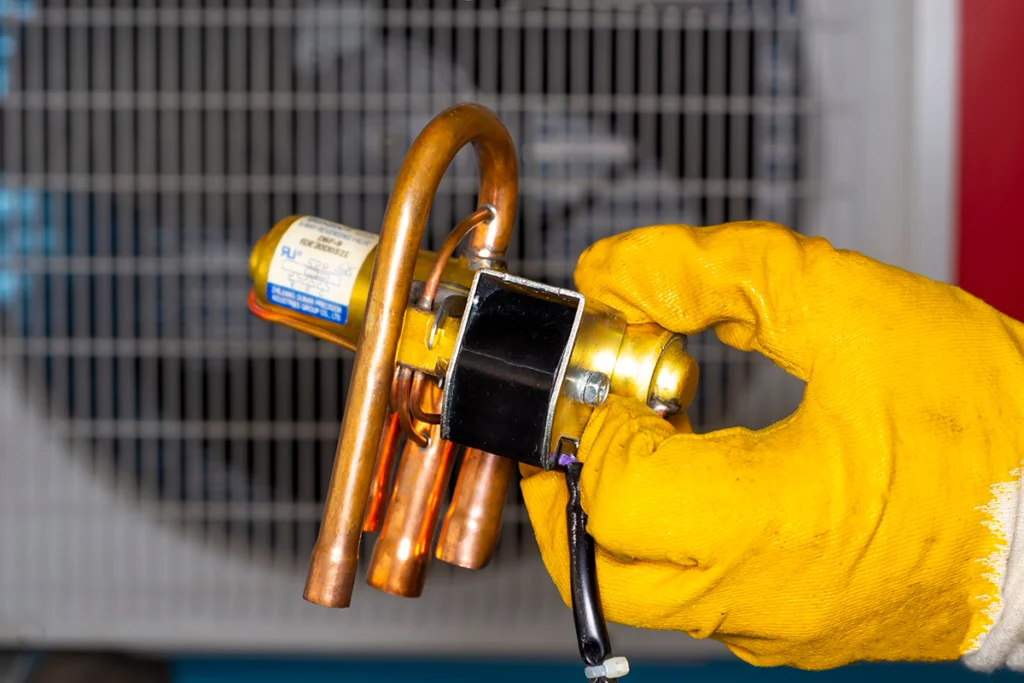
Heat Pump Reversing Valve Stuck in Heating Mode in Cherryville, NC
When you’re troubleshooting a heat pump reversing valve stuck in heating mode in Cherryville, NC, you’ve probably already noticed that your system keeps blowing warm air even when you’ve set the thermostat to cool. You’re focused on getting that valve replaced. But here’s what we see nearly every time we diagnose this problem: the reversing valve itself is almost never the root cause. In fact, a stuck valve is usually the symptom of an upstream issue. That could be electrical
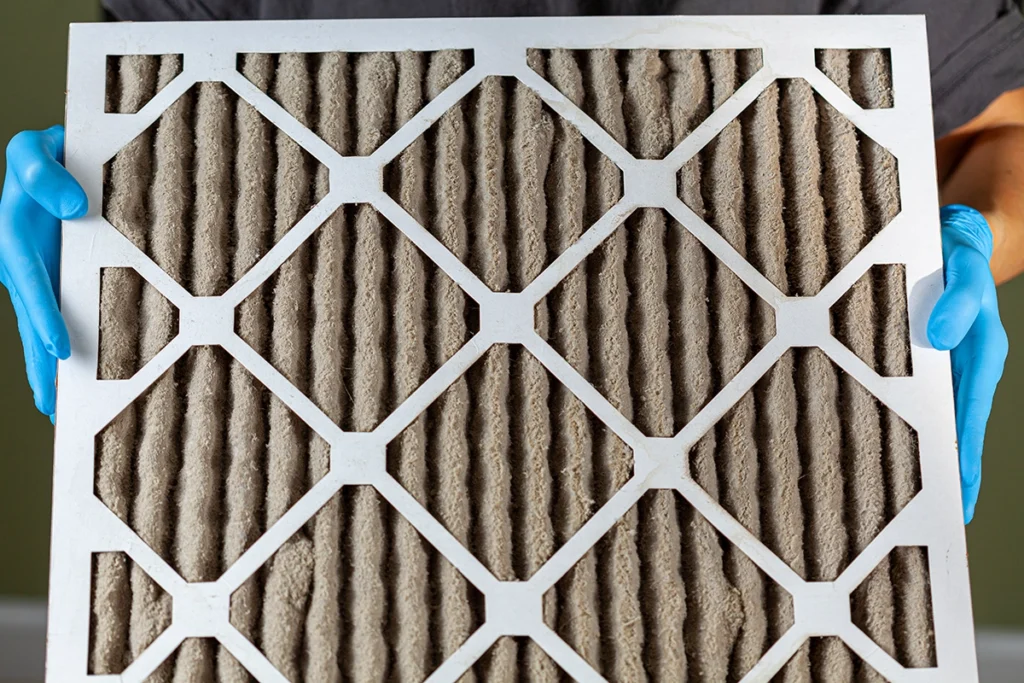
Furnace Flame Sensor Dirty Causing Lockout in Crowders, NC
A furnace flame sensor dirty causing lockout in Crowders, NC happens when soot, carbon, or oxidation coat the sensor rod and prevent it from confirming safe combustion. The control board then shuts down the burner as a safety measure. The sensor becomes dirty because upstream problems like incomplete combustion, poor airflow, or a cracked heat exchanger deposit residue on the rod. But the dirt itself is rarely the whole story. In most cases, something upstream is forcing the sensor to
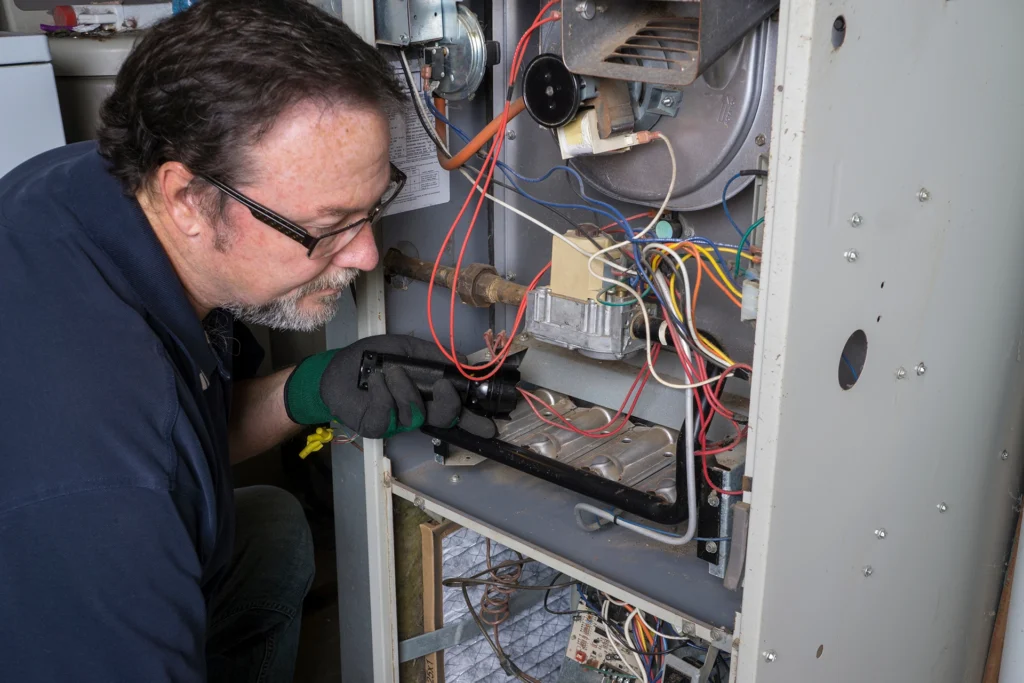
Furnace Making Loud Noise When Starting? Common Causes & Solutions
When Dallas, NC nights start dipping into the 30s, you fire up the furnace for the first time in months. A furnace making loud noise when starting can stop you in your tracks. That rumbling, banging, or screeching sound is your heating system trying to tell you something. Some startup sounds are harmless, but others signal wear, misalignment, or component stress that needs professional attention. Furnaces sit idle all summer, so dust settles and parts shift. Small issues quietly develop
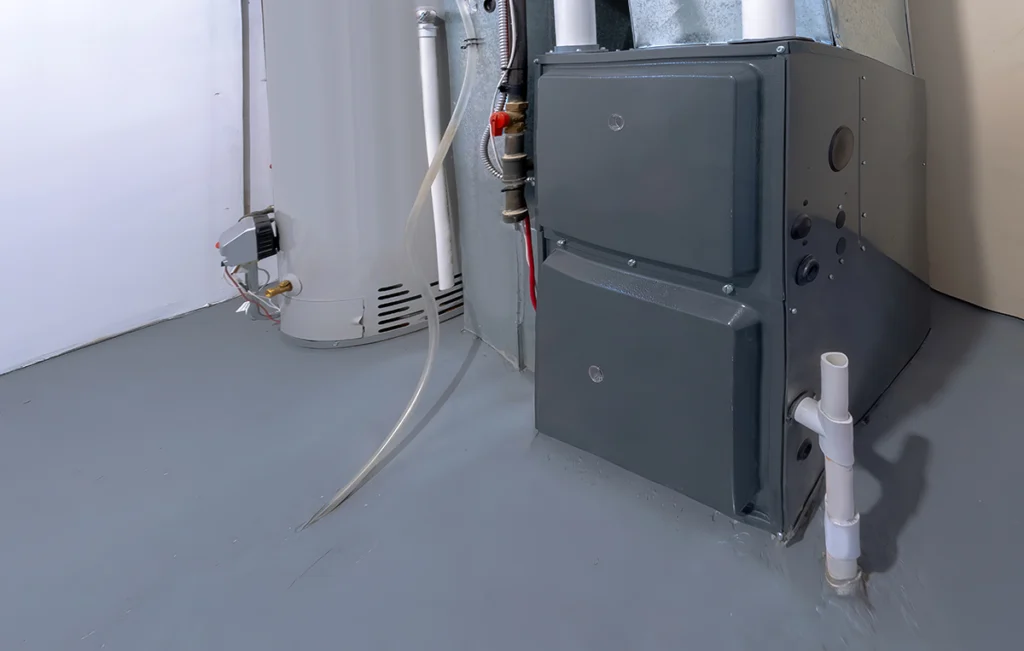
Furnace Limit Switch Constantly Tripping in Iron Station, NC
A furnace limit switch constantly tripping in Iron Station, NC is almost always caused by restricted airflow forcing the heat exchanger to overheat. The most common culprit is a dirty air filter choking off return air to the blower. When airflow drops too low, the plenum temperature climbs beyond the limit switch’s trip point. The switch does exactly what it’s designed to do: it cuts power to the burner to prevent cracked heat exchangers, fire hazards, or carbon monoxide leaks.